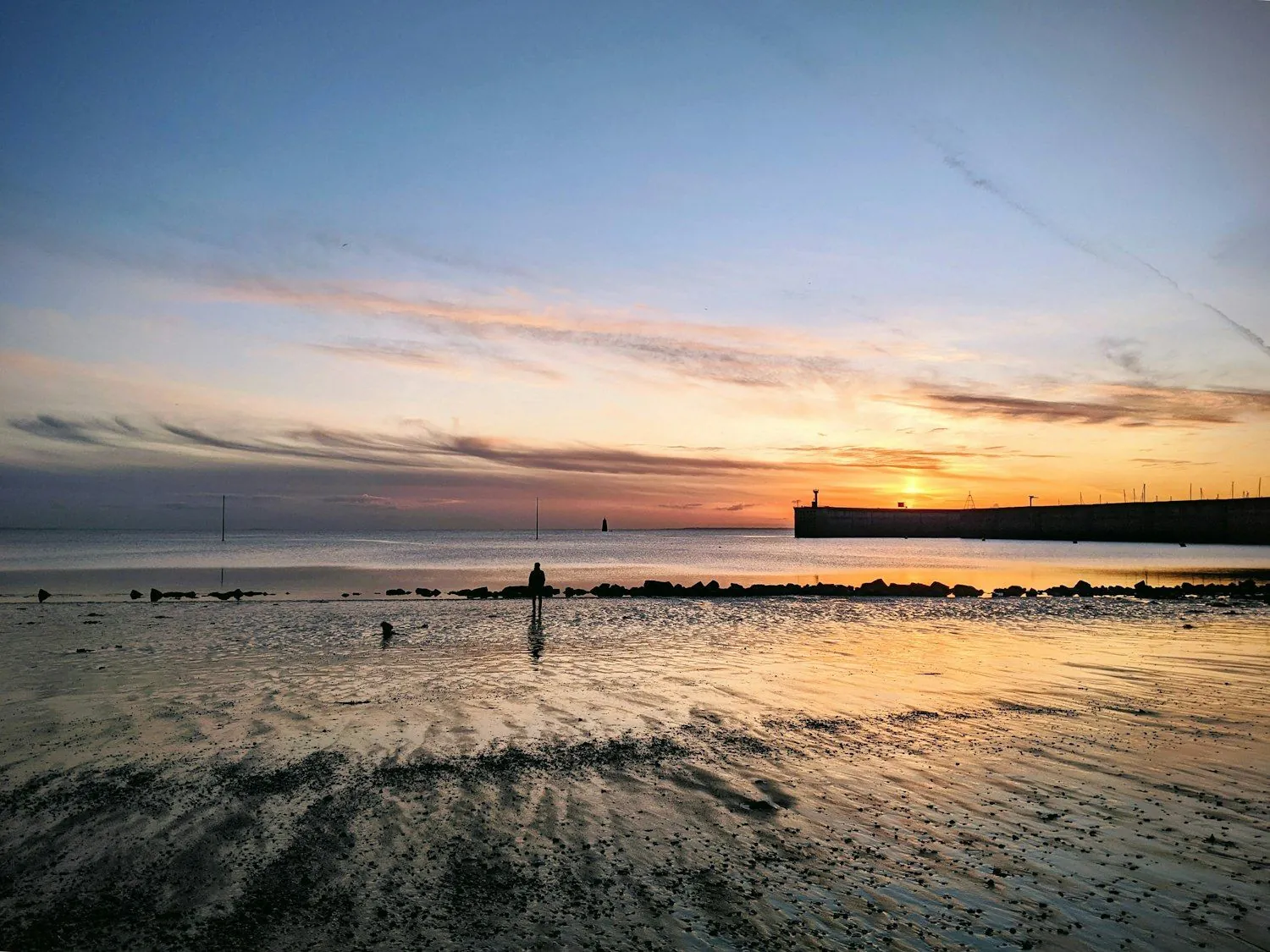

The coastal spatial plan decides what can still be built along the Bay of Solmara, and buyers are starting to price that in before the rules are even applied plot by plot.
- Fewer new permits along the first line make existing permits more valuable.
- Stone houses with a legal footprint on the water are the clearest winners.
- Before price, check what the plan allows on the plot and on the plots around it.
What the plan changes
The plan sets out, zone by zone, how close to the shore new buildings can stand, how tall they can be and how much of a plot they can cover. In the most protected parts of the bay, many plots that once looked buildable now carry tighter limits or none at all.
For anyone buying land, this moves the question from what a plot costs to what it can legally hold. Two plots of the same size on the same road can now be worth very different amounts.
Where prices are moving
Asking prices in Rivella and Tresa have been the first to react, because both have a long stretch of first-line houses and little room left to build. Plots that already hold a valid permit are advertised at a clear premium over plots that do not.
The permit, not the view, is becoming the most valuable thing on the plot.
Further from the water, and in villages where the plan allows more, the effect is still small. Prices there follow the wider market rather than the plan.
What it means for buyers
Buyers looking for a house by the water should expect less choice and firmer sellers. Buyers looking for land should expect more homework before an offer.
- Ask for the current permit and check that it matches what stands on the plot.
- Read the plan for the plot and for the plots between it and the sea.
- Confirm what is owned and what is leased from the state where a plot touches the shore.
What it means for owners
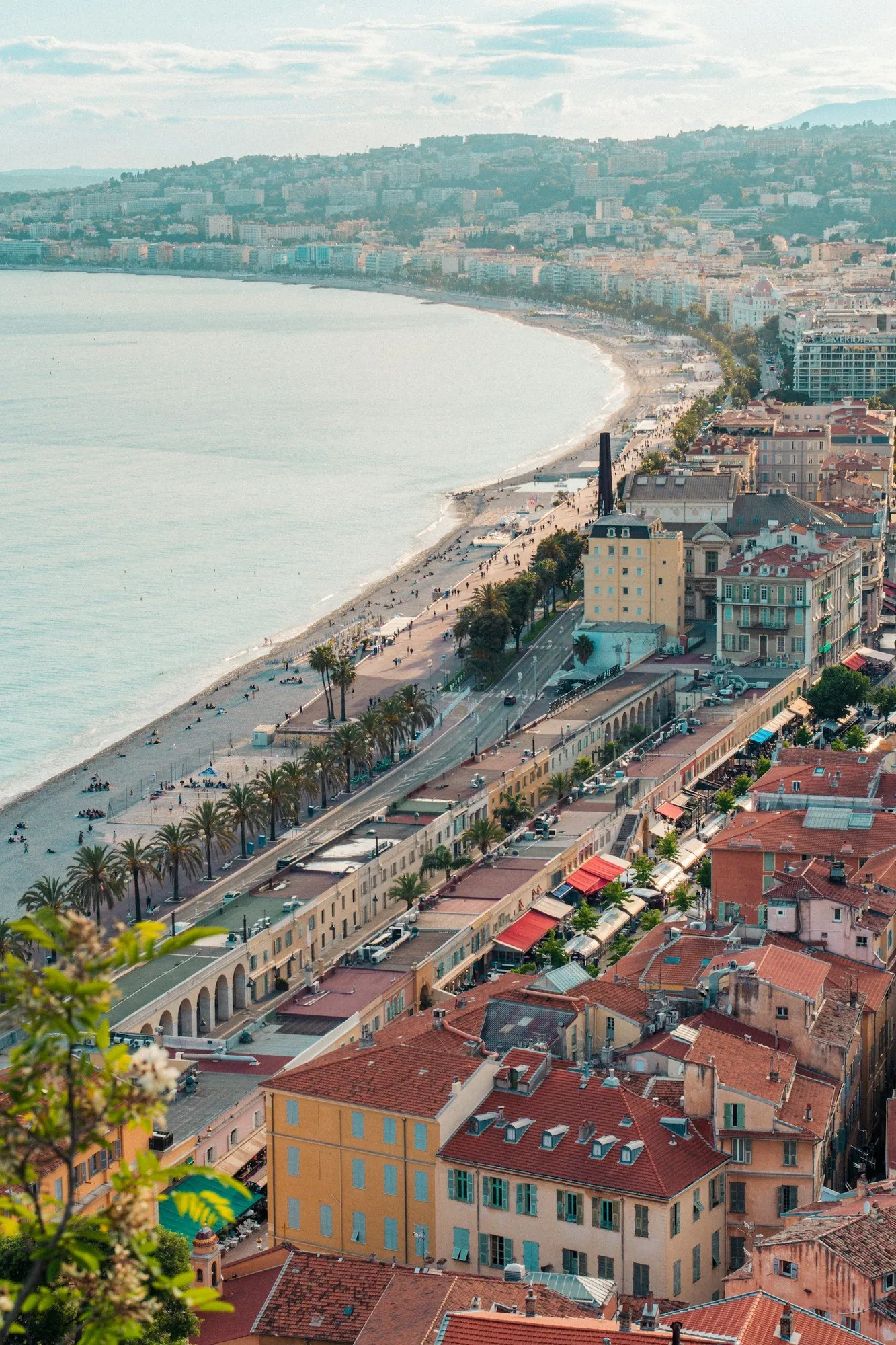
Owners of older stone houses on the water hold something that will be hard to create again. Keeping the paperwork in order, from the cadastre extract to the use permit, is what turns that scarcity into a better price.
Questions to ask before an offer
- What does the plan allow on this plot today?
- Is the building on the plot fully registered and permitted?
- What could the neighbours build, and would it block the view?
- Are there any open disputes or unregistered extensions?
We check all four in the cadastre and the municipal plan before any offer goes in, and we will say plainly when a plot is not worth buying.